The Renewable Energy and Equity Worldwide Laboratory (RENEW Lab), led by Dan Kammen, Johns Hopkins Bloomberg Distinguished Professor of Energy and Climate Justice, received an innovation grant from Sustainable Energy for All (Se4All), a program administered by the United Nations Office for Project Services (UNOPS).
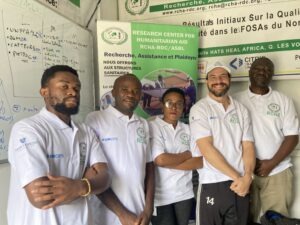
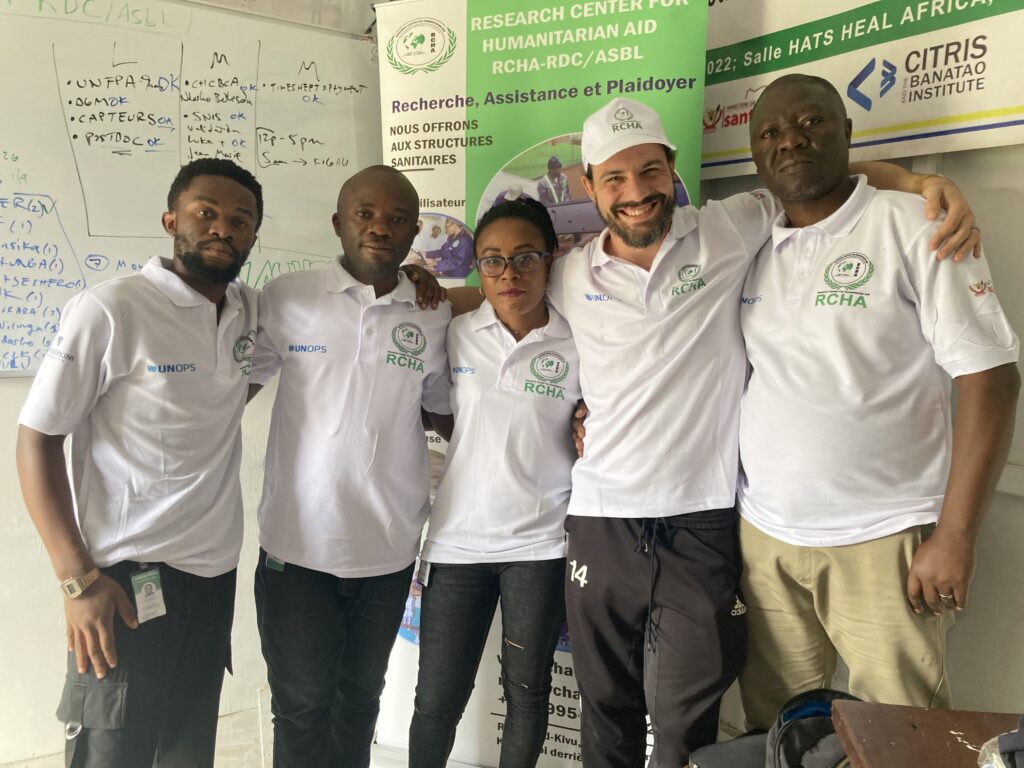
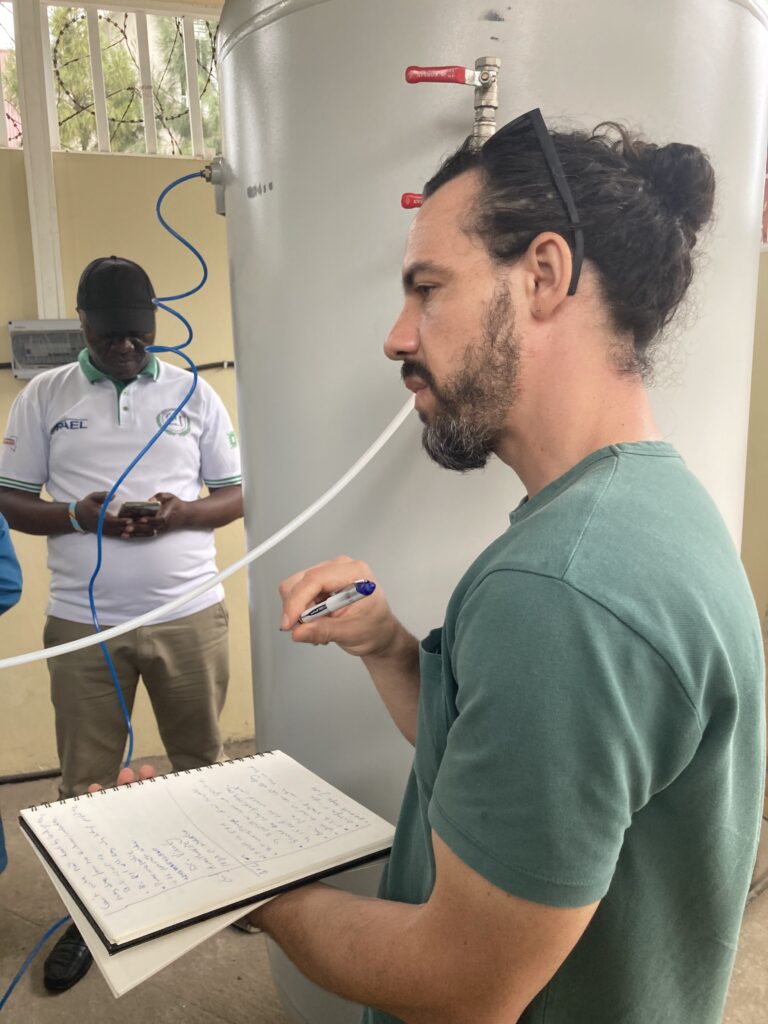
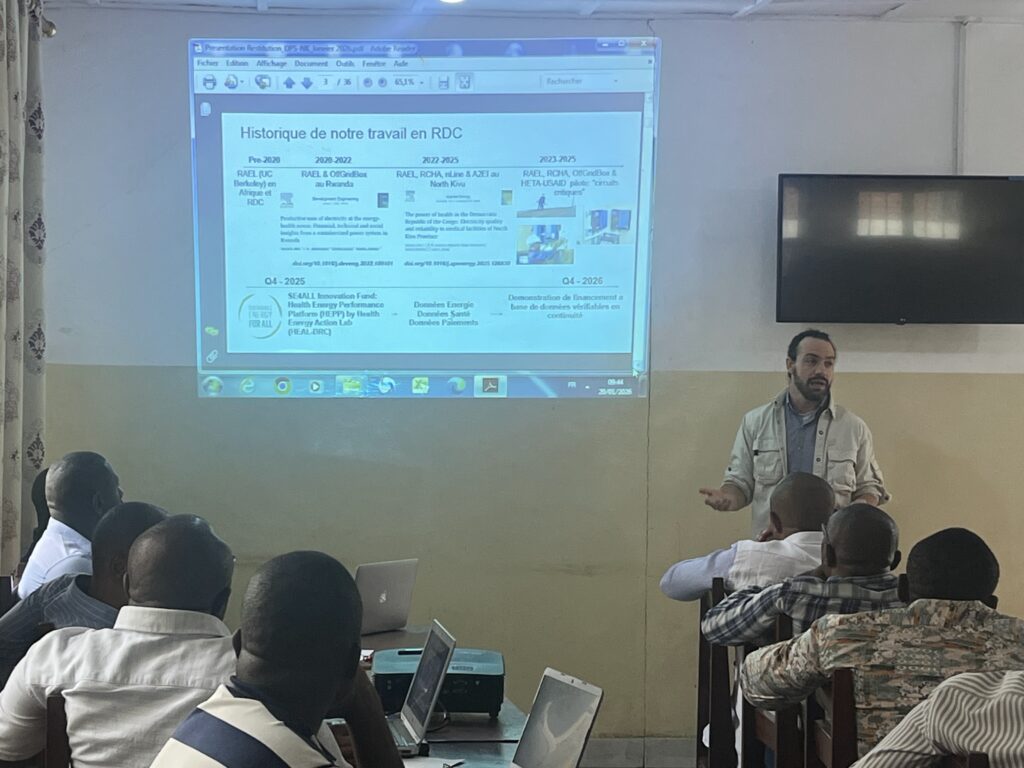
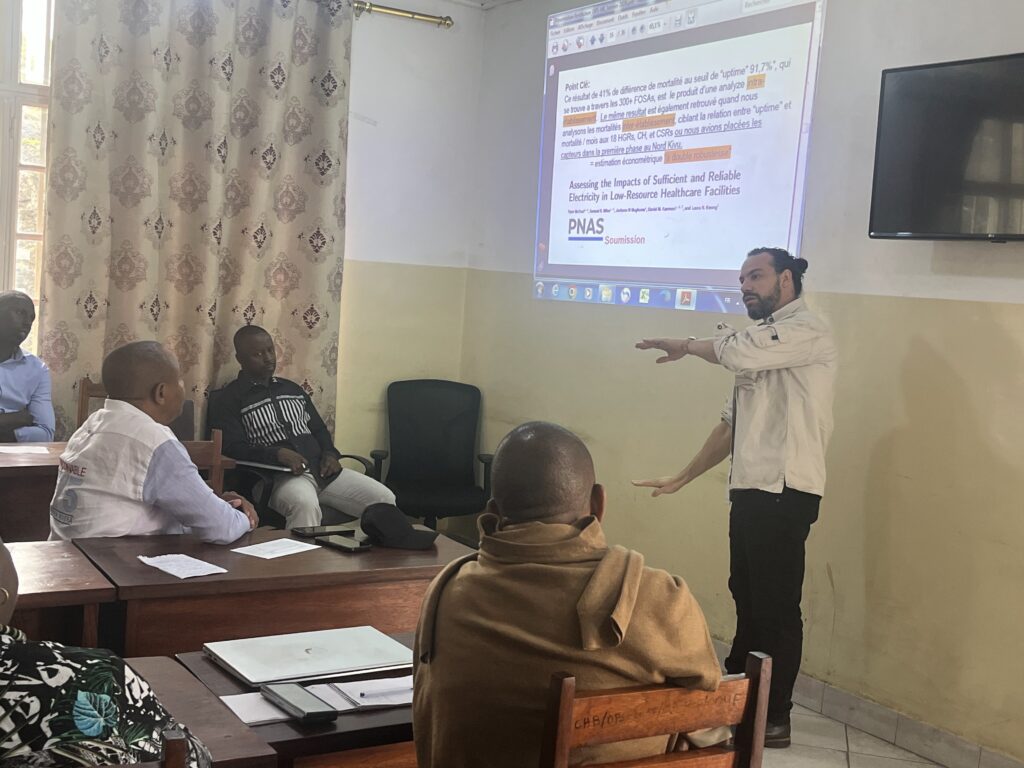
Sam Miles (second from right) with group from RCHA
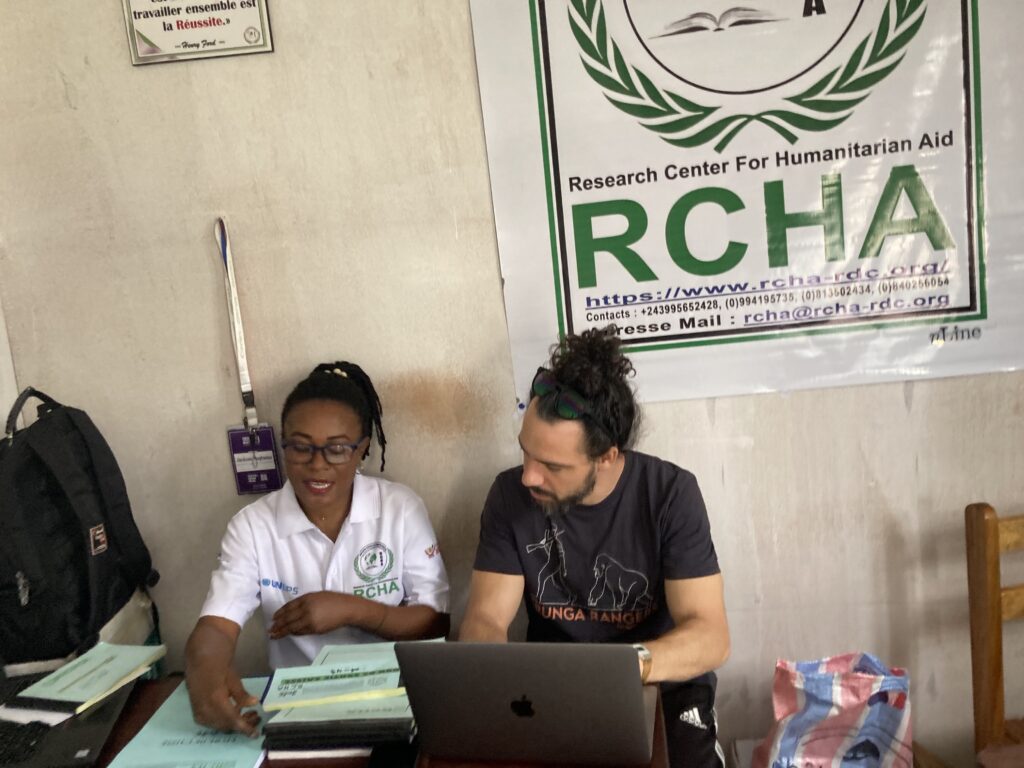
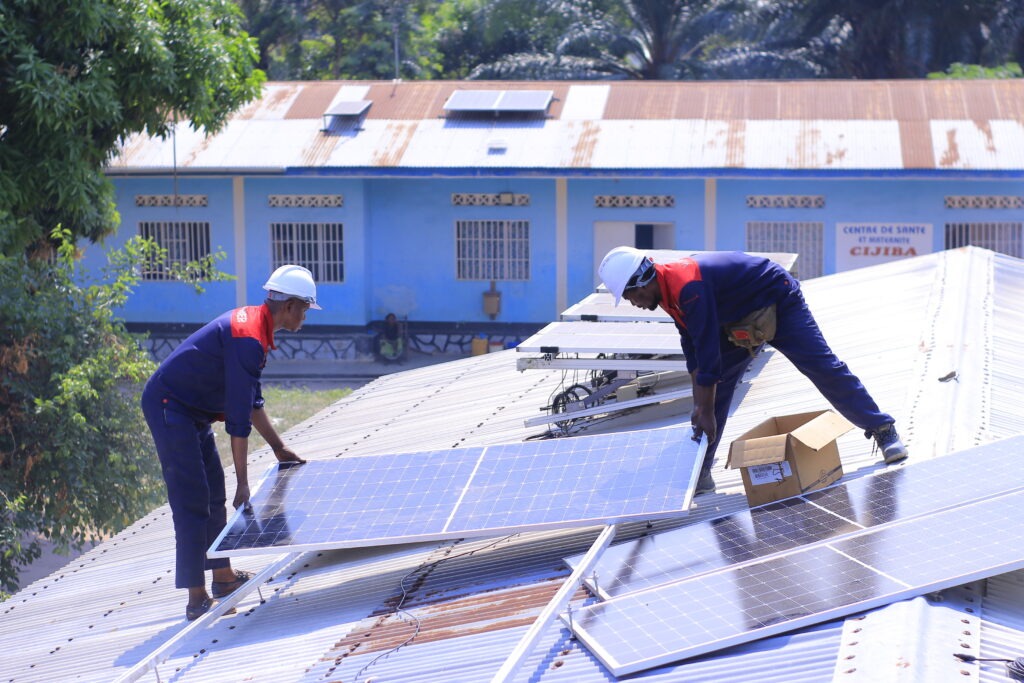
The funding will support several key efforts, including strengthening RENEW Lab’s NGO research partnership with the Research Center for Humanitarian Aid (RCHA), deepening collaborations with health departments and facilities in the Democratic Republic of Congo (DRC), and making power and health data publicly available to inform international health facility electrification programs that currently lack access to the robust empirical evidence needed to support data-informed research.
“The Se4All funding is not just a financial boost, but it is a critical endorsement of our mission to integrate renewable energy into healthcare systems across the DRC,” said Kammen. “By harnessing data and partnerships, we can truly demonstrate how energy access transforms health outcomes and builds resilience in communities. Through our research, our group has demonstrated that reliable energy is key to achieving health equity.”
Originally funded by USAID, the RENEW Lab launched its work in North Kivu, DRC, in 2022. Shortly thereafter, a war broke out between DRC government officials and Rwanda-backed M23 rebels and other armed groups over control of the territory and its rich natural resources. The conflict, which continues today despite international peace efforts and ceasefire agreements, has displaced millions of people and is causing a widespread humanitarian crisis.
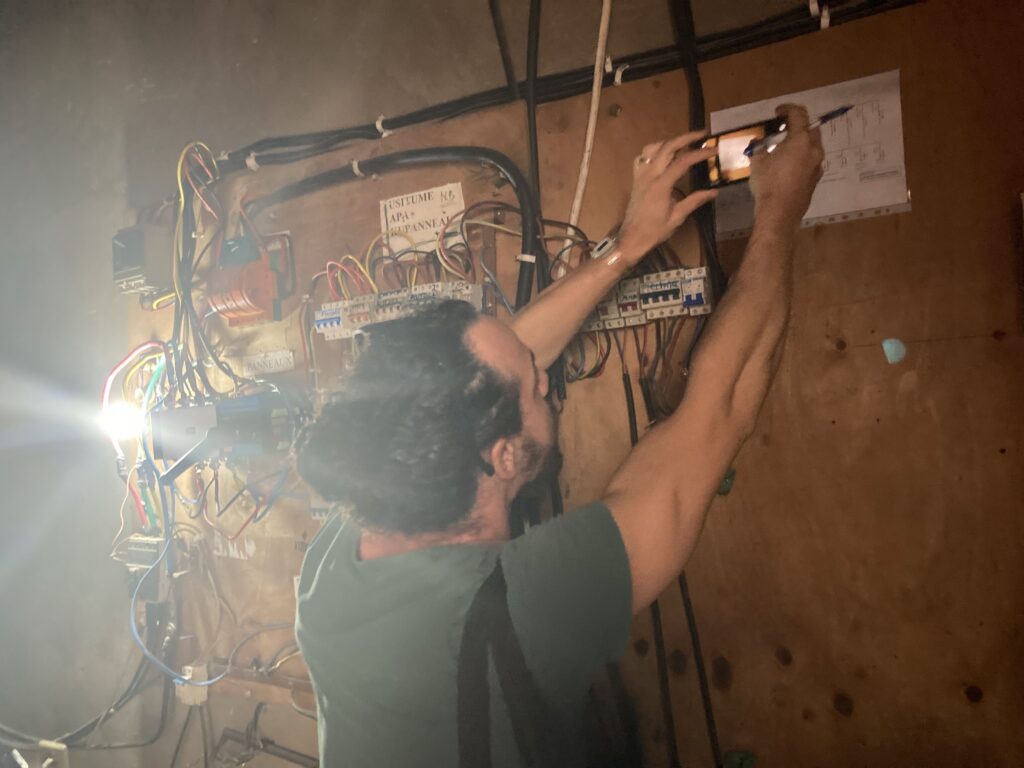
It is against this backdrop that the research team launched the project’s first phase by installing real-time power quality sensors in 25 health facilities. The sensors recorded data such as how frequently power failed, how long it remained in service, and whether the voltage and frequency were provided at levels required for the safe use of medical equipment. The group found that on average, facilities lost power approximately five times a week, and these outages lasted for about two hours.
The research team demonstrated that it is possible to track power continuously, even in areas affected by conflict, and that doing so provides a much more accurate assessment of electricity reliability than current global methods, which rely primarily on people answering yes/no survey questions that do not include information about the frequency and length of power outages. The team’s findings were so useful that the group was granted additional access to data to expand their work, including from DRC health departments.
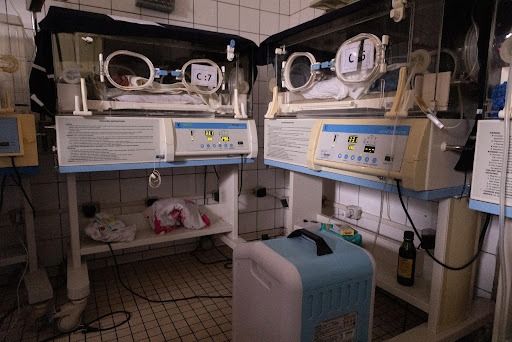
“The next topic we plan to address is identifying the inflection point in terms of mortality. When do interruptions to the electricity that powers life-saving machines in health facilities, lead to death?” said Sam Miles, a postdoctoral fellow of civil and systems engineering with the RENEW Lab. “The funding that we received and the access we have been entrusted with by the DRC health departments mean we can continue our work.”
The group’s findings not only have the potential to aid local partners but could also serve as a blueprint for other countries aiming to maintain reliable electricity in their health facilities.
“Reliable electricity is often treated as a background condition for healthcare, but our data shows it can be a matter of life and death,” Miles says. “By grounding energy solutions in real, continuous measurements, we can help health systems make smarter investments and ensure that critical care and lives being saved doesn’t depend on whether the power stays on.”
Photo Gallery
Photos courtesy of Sam Miles, RCHA and Jess Kersey